Friday, March 09, 2012

Make It Right For A Better Ride


The above poster by Oscar Tee, 9. Interesting. Good Job!


And my version below:

Singapore
where lives are made simpler
with constant improvements to our public transport system,
where trains and buses are made so accessible and convenient to us,
that we could reach our destination without much thoughts

Singapore
where a majority adopts public transports
would rather love their rides to be joyful
than to be unhappy due to all sorts of negative actions or reactions
So let us all begin our trips today positively
and warm the hearts of other fellow commuters,
by embracing the graciousness and courtesy
through acts like giving up seats to those who need it more than we do,
through moving into gaps whenever possible,
through abstinence of food and drinks inside the public transports,
through abnegation of loud music or speakers that annoy others,
and through the acts of kindness on your part however you can,
Together, we keep our nation moving
towards a more beautiful city.


Let our initiative be felt! Gracious Singaporeans, we can be.


Join the “Make It Right For A Better Ride” Twitter contest and stand to win a pair of movie tickets! More details on http://on.fb.me/betterride

Wednesday, February 22, 2012

Life Saving CPR First Aid

In a case of emergency, it's far better to do something than to do nothing at all even if you're fearful that your knowledge or abilities aren't 100 percent complete. Remember, the difference between your doing something and doing nothing could be someone's life.
CPR can keep oxygenated blood flowing to the brain and other vital organs until more definitive medical treatment can restore a normal heart rhythm.

Here's tips to ensure your readiness to conducting CPR (Cardiopulmonary Resuscitation): [CPR is applicable to all except babies]


Golden Letters:
 
D.R. A.B.C.

1. Danger:


Check for hazards/ your safety before approaching person who requires help.

2. Response:


Is casualty Conscious/ Unconscious. For person who is unconscious, call for help/activate ambulance.


3.  Airway:


Check by asking casualty to speak a sentence/cough. If he is unable to do so, tilt the head back by putting your palm on the forehead, and lift up the chin to open his airway.

 
Remember: Head-tilt, Chin-lift.
 

4. Breathing:


Check for breathing--hear closely, and see (chest movements) closely and feel closely. For 5 to 10 seconds only.

If casualty is gasping or breathing slowly or deeply, With the airway open (using the head-tilt, chin-lift maneuver), pinch the nostrils shut for mouth-to-mouth breathing and cover the person's mouth with yours, making a seal.

Then, give two blows into his mouth and check if the chest rises. If the first blow sees the chest rise, give the second breath. If the chest doesn't rise, repeat the head-tilt, chin-lift maneuver and then give the second breath.

Thirdly, perform 30 chest compressions with one hand on top of the other, elbows straightened. The compressions should be done about 5cm deep between the nipples (centre of chest).
 
Repeat giving two blows and then 30 chest compressions over 5 cycles or until paramedics arrive.

5. Circulation: 
 

Check for the victim's skin colour and condition. Also, check for any visible injury.

Skin Colour:
  • pale? = shock/heart attack
  • flushed? = heat stroke

Condition:
  • cold? sweaty? = Shock/heart attack 
  • hot and dry? = heat stroke
 

Disclaimer: This article/post does not give any guarantee to saving a life. This article/post is aimed at providing information and knowledge on CPR. The methods/procedures may vary for different countries. In certain places, compression begins first, followed by airway and finally breathing.

Saturday, April 09, 2011

Dental Fillings and Mercury

Many people may be unaware of the mercury in dental fillings due to the lack of informed consent. Dental Fillings termed as amalgam are composed of mercury bound to other metals. Although scientific studies have indicated that mercury can be lethal, the mixture of metals is still widely used in dentistry for filling holes in the tooth because it is able to adhere well to the cavity in the tooth. Currently, dental amalgams are composed of 43% to 54% by weight of mercury and the remaining powder is made up of mainly silver (~20-35%)[2] and some tin, copper (~10%), and zinc (~2%). [1]

HEALTH ISSUE
In 2004, the Life Sciences Research Office analyzed studies related to dental amalgam published after 1996. It concluded that mean urinary mercury concentration (μg of Hg/L in urine, HgU) was the most reliable estimate of mercury exposure. The estimation found people with dental amalgam were unlikely to reach the levels where adverse effects are seen from occupational exposure (35 μg HgU). 95% of study participants had μg HgU below 4-5. An exception goes to people who are chewing gum, particularly for nicotine, along with more amalgam, seemed to pose the greatest risk of increasing exposure; one gum-chewer had 24.8 μg HgU.However, from reviewing medical literature, the World Health Organization states mercury levels in biomarkers such as urine, blood, or hair do not represent levels in critical organs and tissues. [2]
Scientists agree that mercury amalgam fillings expose the bearers to a daily dose of mercury, but the level and effects of the chronic exposure are disputed. In the 1990s, several governments evaluated the effects of dental amalgam and concluded that the most likely health effects would be due to hypersensitivity or allergy. Certain studies from for instance, American Dental Association Council on Scientific Affairs, has stated that amalgam fillings pose no personal health risk. [3]
However, there has been ongoing debate for almost a century over safety of mercury in the amalgam fillings. In a book titled The Brainpower Plan, it warns of the danger to brain health. It stated, "The toxic fillings in your mouth break down into a mercurious vapour that is absorbed instantaneously by the brain. If you have silver fillings, any of the following activities will release toxic levels of mercury into your brain:
  • Brushing your teeth
  • Chewing food or gum
  • Drinking hot liquids
  • Using plaque removal systems and products
When these actions release mercury into your system, the high fat content of your brain accepts that mercury instantly, interfering with the brain and create groundwork for long-term brain dysfunction and disease." Some of the negative effects of amalgam mentioned include cognitive problem, headaches, lack of concentration, poor memory, abdominal pain, anaemia and gait disturbance--walking and balance.

ENVIRONMENTAL ISSUE
The WHO reports that mercury from amalgam accounts for 5% of total mercury emissions and that when combined with waste mercury from laboratory and medical devices, represents 53% of total mercury emissions.[4] On the other hand, the Environmental Protection Agency (EPA) informs that a single amalgam placed in a ten acre lake contains enough mercury to contaminate the water and all fish in it, with predictable harmful results.

These are some questions for thought by me:
1. For a person who has more/ alot of amalgam fillings inside his/her mouth, does this mean he/she will experience a significant increase in the risk of toxic interaction in the body?
2. If amalgam fillings are really proven to be harmful to the human body and system, and yet is the only way to fill holes in the cavity of your tooth (to protect your tooth), what will be the decision the government or you will make? Choice 1: Continue to use the amalgam fillings containing mercury so that you can prevent your tooth from decaying and spoiling the whole oral health. Choice 2: Ban the use of these amalgam fillings containing mercury as you feel that the health effects it pose is even more significant than your oral health.

References
[1] Ferracane, Jack L. (2001). Materials in Dentistry: Principles and Applications. Lippincott Williams & Wilkins. pp. 3. ISBN 0-7817-2733-2.
[2] Life Sciences Research Office. (2005). Review and analysis of the health effects of dental amalgam Toxicological Reviews PMID 16042501
[3] Clifton JC 2nd (2007). "Mercury exposure and public health". Pediatr Clin North Am 54 (2): 237–69, viii. doi:10.1016/j.pcl.2007.02.005. PMID 17448359
[4] WHO. (2005). Mercury in Health Care [PDF]

Friday, March 25, 2011

EarthHour 2011

The annual Earth Hour will occur today, 26 March 2011 at 8.30 p.m, all over the globe. Themed "It's time to go beyond the hour", it encourages everyone to switch of your lights even after the so-called "Earth Hour".
Earth Hour is a term to emphasize on the initiative for every individual or household to show their concern for our earth, where various pollution and global warming have constantly do much harm to its environment. The key of Earth Hour has always to encourage us to switch off our lights together from 8.30 p.m. to 9.30 p.m. It is the power of everyone and everywhere doing this act that can make a significant difference to helping our earth get a much-needed "rest".
This year Earth Hour's Theme also go for the extra mileage to encourage us not to take it for granted. We should continue this practice beyond the Earth Hour, meaning
  1. We shall exercise switching off lights every time we do not need it;
  2. Cultivate a good habit of switching off lights (and other switches) when necessary,
  3. Use of energy-saving lamps/light bulbs to cut down electricity
  4. Be alert and always check your premises to ensure switches are off when they are not in use/ when you are away.

I have show cause for the Earth Hour almost every year, hoping that anyone who happens to enter and read my blog would be supporting the cause together with me and others globally.
My last say is, there is only 365 days per year. Earth Hour is that only 1 Hour out of the appx. 8760 hours you will probably hear, see and sense people around you talking about the Earth Hour and doing the same act of switching off lights altogether. Why not we take an extra step in creating a more sustainable living in our daily lives? I believe this can be done.


Friday, May 07, 2010

Carbohydrates, Protein and their Myths

All along, carbohydrates are a main source of energy supplier, alongside with many micronutrients including Vitamin Bs, which are coenzymes, that helps to metabolise the carbohydrates, protein, and fats to provide energy. From many studies, this has been well-attested.

However, there are several studies which opposes the consumption of carbohydrates, in an attempt to lose weight, or for weight control management. Instead, they actually promote the consumption of more protein and no carbohydrates in the diet. Well, if you are a believer of this, you are highly in danger.

Protein generally is obtained from meat products, grain products, legumes, nuts, etc, dairy products, eggs, etc. The consumption of protein in large quantities are generally harmful. However, consumption at moderate to low amounts will help to help to satisfy your appetite as they normally contain substantial amounts of fats in addition to protein. Studies have shown that protein diet may help to reduce weight, but only for a short period and does not outperform in the long run. Restriction to only consume protein may also affect the body adversely and could be equally bad as with eating a diet rich in fat.

Carbohydrates comes from various sources including rice, noodles, bread, starch/wheat-based products, most fruits and vegetables and grains. There are some misunderstanding about carbohydrates that apparently caused people to associate it with obesity.

Carbohydrates can be refined or unrefined. Due to meeting the expectations and desires of consumers nowadays, many food products are actually refined. Refined carbohydrates can be easily found in white flour and products made from white or refined flour, white rice, etc. Noticed that refined carbohydrates usually are "white" in colour?? This is because of the processes which lead the bran and germ of the grains to be removed--for two main reasons, better flavour/taste, more desirable texture (softer and fluffier).

Unrefined carbohydrates on the other hand is beneficial and advantageous. Example of unrefined carbohydrates can be found in fruits, vegetables, and whole grains (comes with the bran, germ and endosperm components). Whole grain is indeed a very nutritious food which contain many nutrients. Unlike refined grain which contain only protein and starch mainly, refined grain contain phytochemicals, protein, high vitamin Bs, vitamin E, and trace minerals including iron, zinc, magnesium. Whole grains also contain good source of dietary fibre for good bowel function and makes you full/ satiate with fewer calories! A healthy diet rich in whole grains, vegetables and fruits, that contains dietary fibre, may reduce the risk of chronic diseases such as heart diseases, stroke and certain cancers.

Studies have shown extended periods of carbohydrates deprivation could shorten lives, one reason being overproduction of methylglyoxal in the body causing damage to blood vessels and tissues. Excessive fats is equally bad. As for excess protein, there is a higher risk of kidney stones and bone loss.

Sum up some important points and also giving some tips to healthy eating and weight management:

1. Eat a variety of foods from all food groups. Standard ratio between carbohydrates: fat: protein is 60: 30: 10. No one food group supplies all the nutrients your body need to stay healthy.

2. Eat a balanced diet. Eat the recommended number of servings for each food group.
Eat in moderation. Foods high in sugar, salt and fat should be consumed in small amounts at all times.

3. To satisfy your appetite, or become full without overeating, choose more unrefined carbohydrates found in vegetables, fruits and especially whole grains such as brown rice. Substitute and Restrict eating too much refined carbohydrates with unrefined carbohydrates.

4. In addition, choose healthier cooking methods. Restrict eating deep-fried foods in the diet to the minimum.

5. Choose more lean cuts of meat rather than red meats, which is high in saturated fats and cholesterol.

6. Exercise such as swimming and outdoor sports like running is great.

Last but not least:

Consume the amount of calories that suits your physical activity level, and do not overeat food especially high in fats as fats releases 9 kcal/g of energy! To attain a good body weight, maintain your calorie intake lower or best, balance it with calorie use by the body.

Disclaimer: This is written by Zyon, who has gathered information and knowledge from many sources, including well established Health Promotion Board, Singapore. This does not guarantee you of any weight loss effectiveness. This is aimed to provide a clearer picture of certain nutrition issues.

Saturday, March 20, 2010

World Water Day 2010


(Courtesy of http://www.unwater.org/worldwaterday/flashindex.html)

The World Water Day falls on 22 March 2010!

UN-Water is dedicating the World Water Day 2010, which sees activities that aim to communicate messages on water quality, ecosystems and human well-being.

As noted currently the quality of water worldwide is declining, due to human activities of two levels--industrial and individual. Industries' chemical and waste discharge into the dams have greatly affected badly on the water quality, and individuals' carelessness for example littering is major cause for concern. Of course there are many other potent factors such as climate change and pollution which lowers the water quality.

Water quality takes on a broad definition as the ‘‘physical, chemical, and biological characteristics of water necessary to sustain desired water uses’’ (UN/ECE 1995). Not only is water used for human consumption, but it is also a valuable source of hyropower. Ensuring good water quality is crucial and worthwhile for long-term fit consumption. We should altogether work towards a good water quality to help sustain healthy ecosystems or else these systems may be altered and cause abrupt changes. For instance, excessive nutrient loading in freshwater increases realm of possibilities of algae bloom and oxygen depletion in the marine waters.

It is important that we human beings not be selfish by not polluting waters. Treatments and restoration of water quality could be done, but it is also the responsibility of us to prevent recontamination of the water, as both processes are usually expensive. Adequate good water quality promotes the water purification provided by the healthy ecosystems itself.

Talking of water quality, distillation and reverse osmosis used in an attempt to purify water may render certain health risk. They both remove or deionise the ions or impurities in the water, and as a result some minerals especially magnesium is lacking in them. When magnesium is not fortified, it can link to higher risk of cardiac death, weakness and illness based on studies. (The Straits Times, March 20, 2010) As of this study, it is recommended to reduce consumption of distilled water especially from unreliable sources.

In summary, World Water Day 2010 themed water quality and ecosystem requires everyone's support.

http://ecostarox.blogspot.com/ supports this cause.


Thursday, March 18, 2010

The Earth Hour 2010

http://ecostarox.blogspot.com supports:


27 March 2010, 8.30 pm

Let's reserve the natural source this Earth hour for future use.

You can:
  1. Shut down electrical appliances not in use;
  2. Switch off lights during this hour; (of course practice this when you can)
  3. Go down to participating shopping centres or areas to join the iniative;
  4. Sleep in the dark;
  5. Outdoor activities, i.e. jogging; night cycling
  6. Support the Earth Hour.

Friday, July 10, 2009

The way Food can be more Green

Food and Agricultural systems account for up to 30% of every human induced global warming. Here's tips to ameliorate it!

1. Do your homework: food and drink choices to be more environmentally friendly and of course healthy! And most importantly, know what food you need to buy by listing down on a paper to prevent buying unnecessities even if it's "buy-one-get-one free". This can help to prevent overloading of your fridge and (3).

2. Eat local: You can check out how your food is produced and see how much effort they are putting in to reduce emissions. It's even smarter to buy directly from the producer! Wastes as a result of loss due to processing, storage and transportation can be reduced! Transportation via air or shipping also contribute to greenhouse gas emission accounting for 2% and 5% respectively.

3. Eat Fresh: Produce fresh and ripe contain more nutrients as compared to produce which is stored in your fridge for weeks. Storage can deteriorate quality of foods too.

4. Organic foods: depending on the way it's grown, it may be more nutritious (vitamins, minerals e.g. zinc and iron), contain pheolics (thought to help prevent diseases), lesser CO2 emission of about 26% reduction (no use of synthetic nitrogen fertilisers.

5. Water is precious: world uses 200 million litres water per second to grow its food. In fact, agriculture uses 70% world's water and wastes 60% of water every year! Read the WWF's report on 'Thirsty Crops' @ www.wwf.org.uk

6. Biodynamic agriculture: a sustainable way as it is self sufficient--in compost, manures and animal feeds. a higher biodiversity than convention and organic farmed soil.

7. Online Shopping: able to track your buys and how much you buy. It saves on the emission by cars or transportation to shop for foods, though walking is also reasonably great as it exercises your body.

8. Reduce the plastic bags: 400-1000yrs to break down a bag, and what about paper bags? 4 to 6 times energy to produce them. That's why use REUSABLE fairtrade or organic cotton bag. (wash it if it's dirty), and even baskets, trolley, etc.

9. Go Unpackaged!: Stores in UK-Unpackaged-has been selling hundreds of loose products! Herbs, spices, eggs, biscuits, bread, etc--you can bring your own container then. Remember local wet market also have loose products =D

10. Create a compost: around 30% of household waste could be composted and avoided in the landfill. Around 6 months' time, natural fertilisers, mulch and soil conditioner can be obtained. Tips @ www.recyclenow.com or www.howtocompost.org

Hope you have a have a more vivid mind for selection of foods. Let's stay e-c-o.

Thursday, March 26, 2009

60 Earth Hours 2009


A symbolic iniative to fight against climate change, The Earth Hour is back this year. Till then, already 2712 cities, towns and municipalies in 83 countries have committed to support this iniative.

The objective of the Earth Hour is to reduce carbon (dioxide)emissions. And the most basic way was thought to be switching off the lights and appliances to lower consumption of electricity which in turn reduce the carbon emissions.

In real life, it's more than electricity alone. One can reduce their carbon footprints by doing alot. For instance, if everyone saves themselves from smoking cigarettes in a day, that would mean alot. What else? Share your opinion in the comment field!

The Earth Hour will take place on Saturday, from 8.30pm to 9.30pm (+8 hr NST). Make an effort to refrain from 'negative' things you are usually doing. Think awhile before you decide on doing certain especially during Earth Hour. Ultimately, you may not know the outcome but at least you know you have done your best!

For more information --> http://www.earthhour.org/home/

Thursday, March 19, 2009

"IT" 's a Litter Chaos

IT fair 2009 at Suntec City Convention Hall had finally come to an end.  As anticipated, there was large crowd and many people squeezing their way through the entrance and the inside was chaos...

The issue was not about the crowd. It's the littering! Wherever I walked in the confines of the IT show, there was way too much promotional leaflets and brochures littered on the floor. While paper is a very precious thing on earth, it was taken too lightly during the show.

Blame it on the advertisers and participating brands who were selling their products there. Marketing department of the companies could have done better than this. Not only was it a waste of money to print the leaflets and brochures and hiring part-time staff to distribute, the contribution of unnecessary waste to the environment was unforgivable.

Some suggestions to make the event a more successful one is to incorporate green initiatives. Examples include having recycle bins for papers around the event hall, and to set up a reception counter at the entrance where all the leaflets are placed neatly for truly interested customers to pick them up. This would reduce the waste of prints that go to any visitor who is there just to join the crowd for fun. Less is more. Thus, let's get started on a greener IT Show!


Sunday, December 07, 2008

Deforestation


By Katie N.

Destroying the forest,

Mining,

Logging,

Using more than you need,

Not helping,

Leaving it for others,

Losing the forest,

Killing the forest,

Waiting for something to happen,

Extinction,

This is deforestation.


Deforestation is constantly happening, almost everywhere. It basically means the destroy of forest by chopping the trees off--killing the trees that is.

Consequences usually is "insidious" until one day the earth becomes sick. Deforestation has led to soil erosion, loss of natural habitats and climate changes.

Soil erosion happens because the top soil is exposed to wind and rain, and will be washed away. So trees are good friends who help to hold on to the ground with its roots, preventing soil erosion. Natural habitats including mice, rats, squirrels, birds call tree their home. By removing the giants from earth, it eventually leads to homeless creatures. You don't want to be homeless, do you? Lets show our concern for this environment, will you?

Climate change? This is a important consequence of deforestation. There will be less generation of oxygen into the atmosphere, lessening the amount of oxygen for breathing. Weathers over many years may change to hotter and hotter (no rain), which may see more deserts over the world. Why? Plants and trees act as a medium for transpiration. Trees help to transport water through an actual, vegetated body into the atmosphere. E.g. A large oak tree can transpire 40,000 gallons (151,000 liters) per year. This will help to cool the surrounding air below a certain temperature before condensation takes place. When billions of these water droplets gather together, clouds are formed. Bigger water droplets which gather together and is too heavy to float will fall as rain. This process = precipitation.

*Look, Trees help to cool the surroundings and help to reduce temperature. What if there's no trees? We should be grateful and do something!*


You can do something:


I drew something similar in pri sch and won a prize. Anyway, remember the 3Rs. We are able to do it by ourselves. Reduce. Reuse. Recycle.
You can also plant your own trees. Plant Propagation:
  • from seed .................................chilli plant
  • cuttings ......................................laksa leaves
  • runners........................................grass
  • dividing tubers, clumps.............gingers plant
  • air layering (marcotting)...........mango tree
  • growing from spores..................ferns
Try it. Makes your house cooler. Really. What a breeze.
I'm sure we won't want another Gobi Desert, Arabian desert, Sahara Desert, Majave Desert, Atacama Desert, Australian Desert or Trundra desert, right? So do what an individual can. It may be your hobby one day. Who knows?

Wednesday, June 04, 2008

In support of World Environment Day


Tonnes of rubbish. Plastic bags. plastic bottles and containers which can be recycled. Paper cups which can be recycle too. Such a WASTE.


Oil spill across oceans and seas lead to many deaths of marine life. Such carelessness and inconsiderate actions are really unbarable.


Burning cars and vehicles. Look, there's dark, thick black smoke produced in the air....This is much toxic than we can think. Burning that leads to not only carbon dioxide, but...toxic gases.

The above pollutions are all human-induced.

Just spare a moment to think about what could have happened if natural disasters were to occur concurrently with human-inflicted disasters?


There are many unpredictable disasters. It's time we show concern for the environment. And of course saving ourselves from unwanted troubles too.


Start Now. Your participation makes a difference. Who you are make a difference.
IN SUPPORT OF WORLD ENVIRONMENT DAY 2008


Thursday, April 10, 2008

Let's Get it Started Now!

Let's Get it Started Now! Does it reminds you of the song by Black Eyed Peas? But I'm not talking about that for today. I've more important issues for you.

Browsing and reading TODAY newspaper this morning and found 2 long articles on ECO-FRIENDLINESS. And dates for some important events are round the corners.


EARTH DAY April 22ND


WORLD ENVIRONMENT DAY JUNE 5TH

Reports on saving the earth and environment by minimising the release of CO2 (Carbon) emission has escalated recently. Global efforts have been raised to bring high awareness and encourage us to do something before it's too LATE. Co2 may seem to be a just a compound made up of Carbon and Oxygen but it's impact is tremendous and somehow unforseen by many.


Gases released into the atmosphere by human activity are forming an insulating barrier around the Earth, hindering the natural release of heat from our atmosphere. This is referred to as the greenhouse effect. That's why it is more humid and unpredictable weathers. And what it leads to? Getting sick.

Do you know that

  1. Flooding

  2. Severe Storms (In Singapore a few days ago; very extreme)

  3. Extreme hotness and coldness

are actually related to global warming? It's definitely not desirable. This global warming also affects agriculture. Meaning our vegetables and fruits will be doomed by the unpredictable extreme weathers and floodings! Now the link is obvious as food prices start to SOAR to new heights!
It is really shameful on those who really abuse their wealth by excessively using electricity for air-conditioners 24/7 without switching off. And the abuse of electricity when you are not using it makes you the shamest of the shame. You should never leave something on when you are not using it. Lights can be off in the night and save you up to hundred dollars in a year!

We could do apart in saving electricity at this point of time. JUST ELECTRICITY FOR NOW. There's so simple on one's part. And if everyone saves a little, it can accumulate into millions of dollars. And that's your benefit amidst helping to save the earth and environment. You may ask, "how about vehicles like cars, trucks, motorcycles?" Let's set a target for that in the years to come. Meanwhile LETS SAVE ELECTRICITY! Com'on we can do it, it's a piece of cake!

Hope that you will give your best support on Earth's Day. 22 April 2008. And World Environment Day. 5 June 2008.

Tuesday, February 12, 2008

Celebrate a Green & Priceless Christmas

Christmas is just 3 days down the road! I guess the festive's joy and spirit is HIGH from now. Christmas is always accompanied with the festive's decor, especially obvious in the busy Orchard Road. The streets and roads are laid with tonnes of sparkling lightings and christmas decorations such as a huge decorated christmas tree or even a snowman!

Another thing that I need not say and you would already know is the present! How depressing is to see no Christmas presents coming in when someone visits you, right? Some may feel it's alright but a small gift will be more alright. *LOL* I wondered what are people most concerned about their gifts. Is it the gift itself--the $$, the design, the quality, the colours, the type you like--or is it the general appearance of the gift with good nice wrapping papers? But ultimately I think what matter most is the sincerity of the person. Anything else is just a "touch-up", I think so.

Since sincere is what is most important, I think a gift that is wrapped with some low-cost materials such as good conditioned, but unwanted posters, newspapers or even your glossy magazines can be up to good use. These materials aren't bad--they have their quality too. To me, Glossy magazines and posters are even better alternative than to use wrapping paper since they have good quality too and can be quite appealing too. See, the magazine that I used to wrap the box of gift? It's not too bad afterall, right?


Procedures in wrapping a gift using "priceless" materials and efforts.


I am quite like an environmentalist; I care for the environment and support many eco-friendly acts of our parts. Reduce.Reuse.Recycle. This 3 Rs are the golden Rs which we should always remember. So during Christmas this year, why not spend less on wrapping papers and even help to save the trees, environment and the earth? It's a WIN-WIN situation.

Here, I've some ideas on wrapping a gift. It must start with collecting raw materials like reused boxes (from the biscuits or other items), reused wrapping papers (posters, newspaper or magazines, etc), nice reused plastic/paper bags.


Newspaper, posters and magazines


Clean & Reused Boxes

Reusing plastic bags
These raw materials are all foc. Reusing these materials is a big contribution of saving the earth. It's so simple and beneficial. Try it out yourself and you would find yourself an artistic person! MERRY AND GREEN CHRISTMAS!

If you have any other ideas, do contribute here or in your blog and share your url. (=

Tackling Global Warming

Global warming due to emissions of carbon dioxide and other greenhouse gases have contributed to larger extreme climatic events like rising sea levels. The main culprit: Carbon Dioxide.

Dryer conditions in the cloud forest and lengthening dry periods could drive some into extinction ranging from plants to animals. Many tree types are declining in vitality. The study of 13,700 trees in 18 very isolated plots in Brazil concluded that increased carbon dioxide is the most plausible explanation for the abrupt shifts in species growth. And looking at the big picture, what do you see? Without trees, what could have happened?

Sixteen years of data on tree growth, tropical air temperatures and CO2 readings indicate that a warming climate may cause the tropical forests to give off more carbon dioxide than they take up. This would upset the common belief that tropical forests are always a sink for carbon, taking huge amounts out of the atmosphere.

Coral reefs are probably the most complex ecosystems on the planet, home to hundreds of thousands of species. They protect and support the lives of millions of people around the tropical zones, and are a font of wealth from fishing and recreation. The damage being caused to reefs by warming seas is one of the most serious effects of global warming.

High water temperatures caused coral bleaching and subsequent death or adverse change to sixteen percent of world reefs overall and up to 46 percent in parts of the Indian Ocean.

Temperatures beyond norms causes coral to expel the microscopic symbionts, zooxanthellae, that also give them colour. If this bleaching continues for days to weeks, the coral dies and algae takes over the reefs, changing the ecosystem.


Let's Begin Taking the following tips today:


1. Buy a Fuel Efficient Car. Getting a few extra miles per gallon makes a big difference. Save thousands of lbs. of carbon dioxide and a lot of money per year.

2. Carpool When You CanOwn a big vehicle? Carpooling with friends and co-workers saves fuel. Save 790 lbs. of carbon dioxide and hundreds of dollars per year.

3. Reduce GarbageBuy products with less packaging and recycle paper, plastic and glass. Save 2,000 lbs. of carbon dioxide per year.Composting helps reduce greenhouse gas emissions by reducing the number of trips trucks must make to the landfill as well as the amount of methane released by our landfills. [I recycle papers and plastic bottles, metals, glass bottles as far as possible in the recycling bin. So can you.]

4. Use Recycled Paper. Make sure your printer paper is 100% post consumer recycled paper. Save 5 lbs. of carbon dioxide per ream of paper.

5. Unplug Un-used Electronics. Even when electronic devices are turned off, they use energy. Save over 1,000 lbs of carbon dioxide and $150 per year.

6. Plant a Tree. Trees provide a microclimate and sustained moisture for you. Trees suck up carbon dioxide and make clean air for us to breath. Save 2,000 lbs. of carbon dioxide per year.


Reference: http://www.worldviewofglobalwarming.org/pages/tropics-oceans.html
http://www.globalwarming.net/

The next Antique

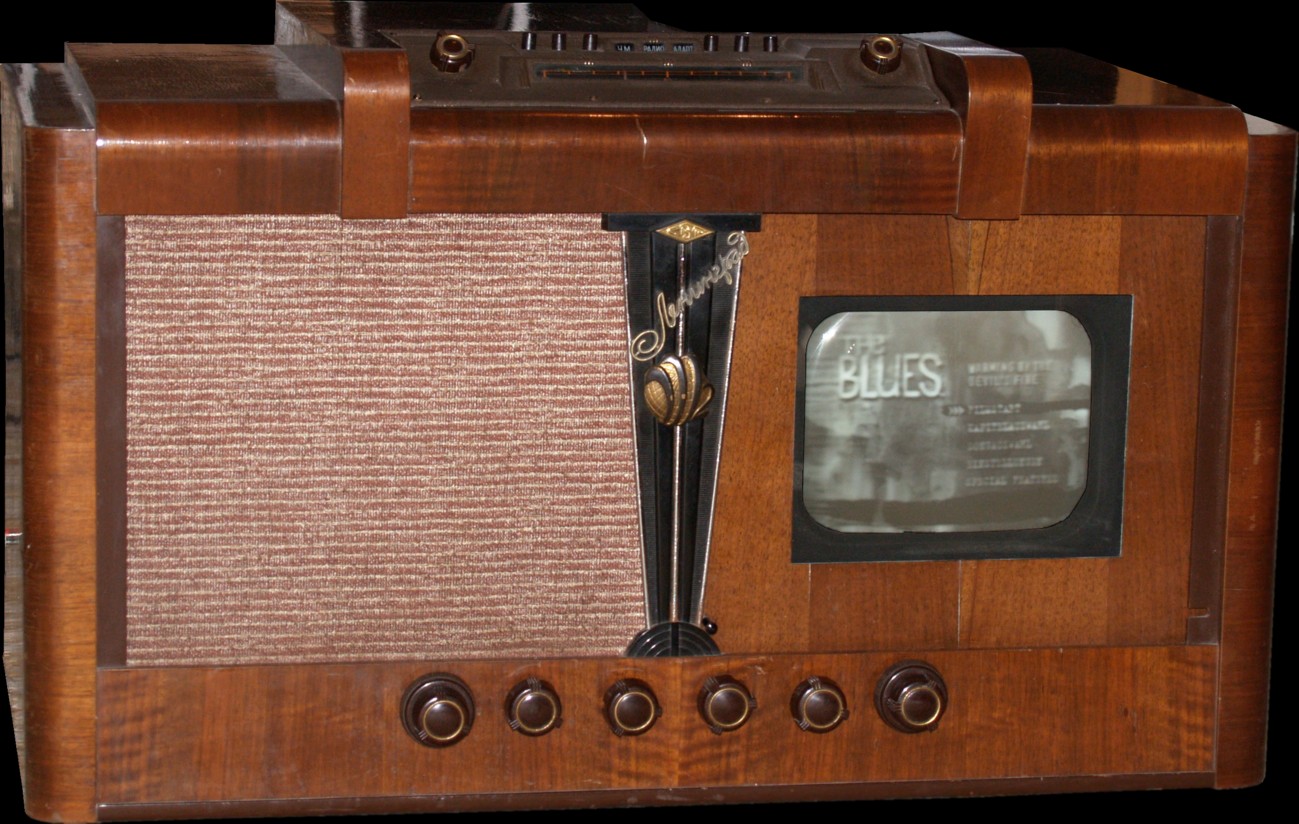
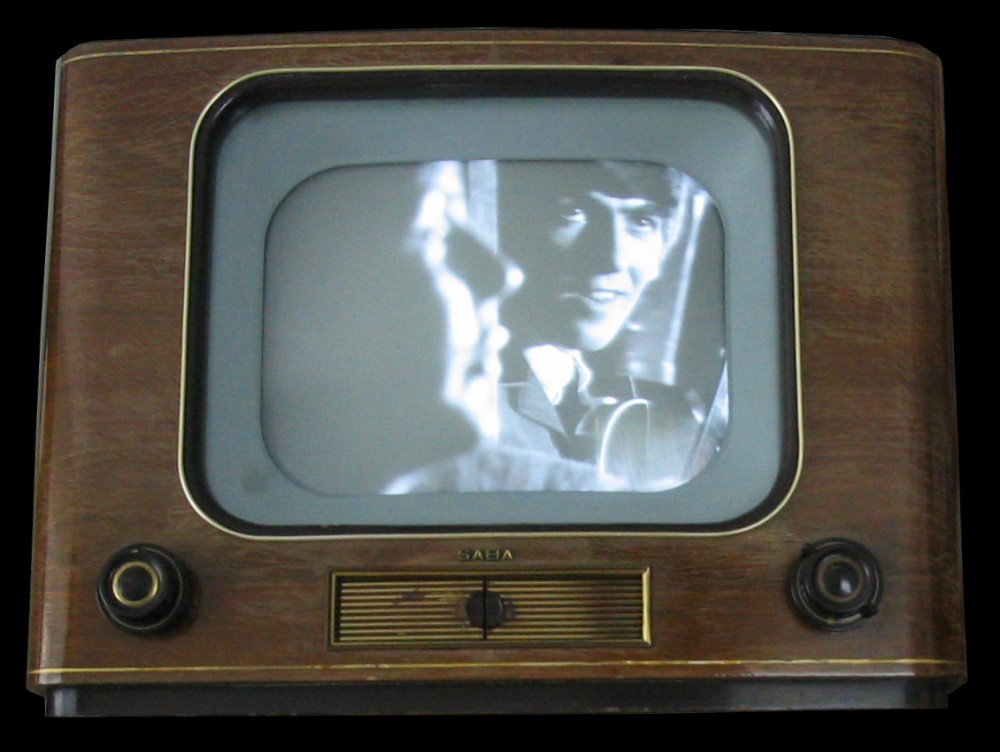
What could you think of when you come across the word "antique"? A sewing machine or an antique car? Is that all? The world is growing rapidly, especially so because of today's technology improvement. Have you wonder the things that could be taken over as a result of technology advancement? I certainly have a thought. So what is the next antique?


Emerson 610 (1949)

Bush TV 22 (1950)


Portacolour (1967)


Sooner or later, your bulky kind of tvs will become an antique as the market produces more flat screen tvs and trying to sell them at a lower price in the years to come. The prices of flat screen TVs may drop to the extent that many can afford to buy it. So, if you are an antique keeper, it's probably time to start your collection of the 21st century TV!


It's Earth Day! Live Earth concert worldwide for 24 hours!
To show my care and concern for the earth, I did many things like reuse, reduce and recycle.


You can also help to save the earth by taking public transport like what I did. Between, there was a little fault on the Mrt train this morning. The door did not open at Kranji and the passengers who wanted to alight have to travel to Yew Tee and then reverse back to Kranji. This is bad as you all know the distance and time to travel to and fro between the 2 stations. It was raining then and it might be the cause of technical problems encountered by the train.

For the sake of our planet and our future, we should really put in effort to reduce, reuse and recycle our materials. Every effort put in to do these will end up with lesser rubbish that is gone into the incineration plant and landfill. We have to stop the pollution. Otherwise, our planet is going to burn. We will not only feel the intense temperature around the globe, but also get sick and come across many unimaginable consequences.


Photo courtesy of http://www.monroecounty.gov/


So stay green. Save the earth. Reduce.Reuse.Recycle. Better life begins now.

Friday, December 08, 2006

Zero Trans Fat Food

TRANS FAT

Studies showed that an extended shelf-life for products could well mean a shortened life for those who eat them.

WHY?
Trans fat increases LDL (low density lipoproteins considered "Bad" and decreases levels of  HDL (High Density Lipoproteins considered "Good"). LDL can clog the arteries of the heart, making them more rigid. It can also increase insulin resistance, thus risk developing Type 2 diabetes.

On the other hand, naturally occuring saturated fats found mainly from animal fats is different as it raises both good and bad cholesterol levels.

Trans fat food: e.g. candy, noodles and processed supermarket food products in varying amounts of trans fat. However, due to its notorious name, many food industries have already been taking approaches to cut down or totally eliminate this trans fat. Nevertheless, always check the nutrition labels to ascertain you will be consuming zero trans fat! Recommended Daily Allowance (RDA): LESS than 1% of daily calories. i.e. An average person who eats 2000 calories a day should consume up to 2-3 grams of trans fat daily.

Advice 

(1) Watch what you eat
e.g.Many fast-food restaurants use liquid shortening to fry their dishes, loading them with trans fat. Limit fast-food intake to no more than twice weekly.

(2) Cooking Methods

Choosing from healthier cooking methods such as steamed fish to boiled potatoes to stewed chicken to baked rice can help you cut down on the calories that goes into the waist (body). It's not as though you can't eat fried foods, but always remember to eat in moderation. Have a mind  to tell you to choose food cooked in a healthier way over fried foods.

(3)Study food label of food products

Restrict your choice to food that do not contain partially hydogenated vegetable oil.
Look out for foods with Healthier Choice Symbol and choose food based on that symbol.

NOT all fats are bad.
Studies show that trans fat found in natural foods like beef and lamb does not harm the body in ways that man-made trans fat can.

Good Fats: MonoUnsaturated, PolyUnsaturated fat, Omega 3, 6, 9 e.g. olive oil, corn oil, sunflower oil and canola oil.
Omega-3 fatty acids from fish, seeds and nuts
(i)keep the heart healthy (ii)reduce inflammation in the body.

Afterall, it's best to choose foods low in saturated and with no trans fat.

Carbon Dioxide!

Carbonated Drinks + Mentos = ???

Carbonated drinks including cola has recently been experimented and found to EXPLODE in a matter of seconds.
"Apparently, mentos sweet has thousands of tiny pits on the surface that're conditional for carbon dioxide bubbles to form in.
As soon as sweet hits the soda, bubbles form all over its surface. When all the gas is released, it pushes all of the liquid up and out of the bottle in an incredible soda blast."